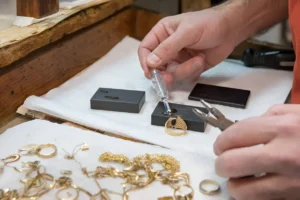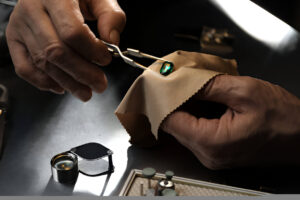
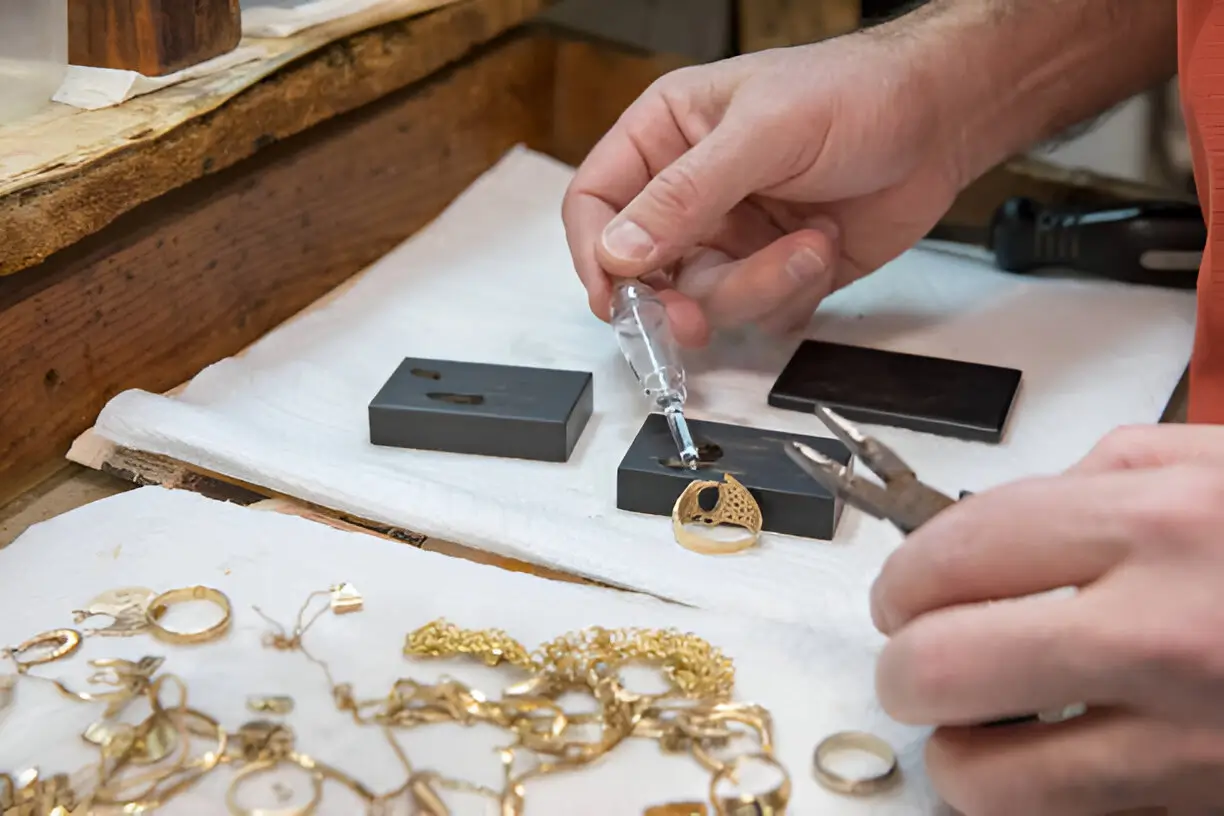
For centuries, gold has symbolized wealth, beauty, and durability, making it a timeless choice for jewelry and treasured heirlooms. Whether buying or selling a necklace, ring, or gold piece, knowing how to spot real vs. fake gold is essential to protect your investment. From vintage finds to new purchases, expert tips like GIA grading, certified appraisals, and pro inspections help you avoid costume jewelry and confirm authenticity. Every gold purchase—whether a vintage adventure or a modern indulgence—offers the unmatched style and lasting value of real gold, ensuring your treasure remains both beautiful and worthwhile.
Introduction & Basics
The Hidden Power in Gold’s True Composition
When we talk about gold, I often think back to its history, starting as currency around 550 B.C in Turkey, a present-day nation where societies first realized the value of this precious metal. Through wars, economic growth, and the rise of new societies, gold wasn’t just a choice for decoration or luxury, it became an investment and a symbol many wanted to possess. Even in industrial needs, this famed substance proved its worth, adapting to every transition of time.
From a scientific angle, this element with the atomic number 79 is truly special. Its versatility comes from its natural resistance to wear, its unique shine, and even its role in the stabilization of financial systems. I’ve personally seen how wearing original gold jewelry feels different—it carries weight, warmth, and an aura that imitations can’t replicate. That is why understanding the metal’s real nature is key to knowing whether your piece is genuine or not.
Karat Differences You Must Know
- When I first learned about karats, I realized how much the color and purity of a piece can change depending on the mix of metals. For example, 24K gold is considered pure gold, but because of its softness, many people find it undesirable for everyday wear, even though its yellow hue is striking. On the other hand, 18K strikes the desired balance by blending gold with copper and nickel, which creates variations like rose gold and white gold. Lower options, such as 10k or even 9K gold, contain less gold and more metal, making them more durable but often less vibrant. Spotting a fake is easier once you understand these differences, because genuine karats naturally influence the look and weight of the jewelry in ways imitations rarely match.
Powerful Gold Plating Secrets You Must Know
- When I first started learning about jewelry, I quickly realized how important it is to be wary of gold-plated items that look shiny but hide a base metal like copper or brass underneath. These are often covered with a thin layer of gold, sometimes as little as 0.005%, which gives the appearance of true luxury but lacks the rarity and value of 18K pure gold. From my own experience, I always tell people on a strict budget to stay away from such products if they want lasting quality, because while plated jewelry can look appealing at first, it rarely holds up like genuine gold.
Gold Terminology 101: Master the Basics Today
When I first started shopping for fine jewelry, I was often confused by the many terms people used, especially when talking about gold. One of the most common mistakes is mixing up karat with carat—they sound similar and are even pronounced almost the same, but they mean very different things. Karat refers to how pure a piece of gold is, while carat is a measurement of a gemstone’s weight and size. For example, 24K means 100% uncombined metal, but that level of purity is very soft and not always durable, which is why jewelers create alloys by mixing metals together. These alloys make the pieces stronger and able to hold rings in shape without an easy bend or break. The quality of these mixed designs depends on the supply and reasons for their use, and knowing this distinction can save you from buying the wrong piece. In my own experience writing this article and sharing tips, once I understood how alloy and heaviness work in relation to size, I could feel the weight of the metal and tell if a piece was well-made.
Gold Secrets: Understanding Hallmarks Clearly
When I first started checking my own jewelry at home, I realized that the most straightforward option for spotting if a piece of gold is real is by looking at hallmarks. These small imprinted numbers and marking on items like a ring or bracelet quietly showcase whether the metal is authentic. For example, 18K usually appears as 750, while 10K may show 417, and 24K represents nearly 100% purity. I once owned an antique band that started to fade, and only after checking the hidden stamp did I learn it was gold-plated (GP), not solid gold. You’ll often see codes like GF (gold-filled), GE (gold electroplated), or GEP, which often point to fake pieces. On the other hand, 925 or 800 marks usually indicate sterling silver, not gold. From my experience, using these simple testing methods and knowing the percentage of karat values can save you from buying the wrong item.
The Weight Trick: Spotting a True Piece
When I first checked my own wedding band, the easiest method was the simple weight test, and it never fails to show a clear sign if your gold is real or fake. A true piece of 18k with proper carats should feel a certain heaviness when you place it in your hands, and if it feels too light or oddly hollow, that’s a warning. Many people notice how a properly sized ring fits the finger with a decent touch, but if it falls off too easily or seems improperly made, it’s worth testing further. I’ve even seen how a quick tap on a hard surface makes a dull noise if it’s not full metal. Also, be mindful of your skin—a green reaction or allergic marks from sweat and sun exposure are often an earlier clue. Look closely for a number or marking inside the band, because lack of it could point toward a fake piece, while proper stamps often confirm the true value.
Powerful Reasons & Importance You Can’t Ignore
Why Choose 18K Gold? The Smart Choice
From my own experience working with fine jewelry, I’ve seen how consumers often confuse 24K gold with 18K gold, thinking that only 100% pure gold matters. In reality, pure gold marked as .999 is very malleable, comes in limited colors, and can scratch easily, making it less durable for daily wear. That’s why 18K gold, usually stamped as .750, feels like the more perfect balance—it offers a variety of rich hues while still being strong enough to last. While it might seem a bit pricier than its cheap counterpart, smart buyers see it as a long-term investment, not just an affordable option. When checking the price of a piece, jewelers often calculate by pennyweight, sometimes even multiplying based on craftsmanship, which explains why good quality is never truly “low-cost.” From my side, I always guide clients toward what gives them value for money, and 18K gold consistently proves to be the smarter choice.
Why Authenticity Truly Matters Today
From my own experience working with fine jewelry, I’ve seen how consumers often confuse 24K gold with 18K gold, thinking that only 100% pure gold matters. In reality, pure gold marked as .999 is very malleable, comes in limited colors, and can scratch easily, making it less durable for daily wear. That’s why 18K gold, usually stamped as .750, feels like the more perfect balance—it offers a variety of rich hues while still being strong enough to last. While it might seem a bit pricier than its cheap counterpart, smart buyers see it as a long-term investment, not just an affordable option. When checking the price of a piece, jewelers often calculate by pennyweight, sometimes even multiplying based on craftsmanship, which explains why good quality is never truly “low-cost.” From my side, I always guide clients toward what gives them value for money, and 18K gold consistently proves to be the smarter choice.
Uncover the Truth: Is It Costume Jewelry?
When you pick up a piece of jewelry, it often feels heavier or lighter than expected, which can be a first hint that it might be costume rather than fine metal. Many consumers are surprised to learn that pewter or silver masqueraded as 10K gold can be misrepresented, fading over time or losing value, yet still commanding a high price. From my personal experience handling pieces since 2021, the items in your wardrobe that reflect light beautifully may not always be real, but their sentimental worth remains, even if non-fine. Hallmarks and metals testing are crucial because the U.S. Customs and Border Patrol reports many imposters in Ohio and beyond, and recognizing these can give you an economic advantage. A fun piece that contains some fake parts doesn’t diminish your style, but understanding what comprises it can reveal dishonest practices and help separate real from masquerade, ensuring each jewelry piece you own is worth your time and care.
Powerful DIY Trick to Spot Real Gold
Easily Test Gold at Home – Proven Tips!
From my experience, you can use a few simple household items to check if your gold jewelry is fake or real. A magnet is a good resource because gold is not magnetic, so if it catches or sticks, it’s likely fake. Another common trick is the water test: fill a sink or place a piece of gold in water with the stopper off and see if it floats or sinks — real gold is dense and will stay at the bottom, while lighter metals may float. You’re able to keep testing anywhere, even outside or on vacation, and a shiny substance often shines differently than real gold. I’ve seen that combining simple methods like these, along with testing its properties, gives fairly reliable results anywhere. Then you’ll see the truth about your gold without special tools or resources in the refrigerator or sink, itself acting as a natural floater block.
Unlock Value: Check Hallmarks & Stamps Today
When you peek at your jewelry and flip it over, always check for stamped markings that indicate the karat and weight of the piece, because a legit 18K gold item will often have 18K or higher numbers compared to 10K, 14K, or 24K. From my experience, many sellers may try tricks to pass off fake gold as real, so a quick look for these heads or tiny stamps can save you from sketchy pieces. Just take a few seconds, and you might see the purer quality; sometimes the stamp means more than what you feel on your sleeve. The first step in spotting genuine gold is understanding that real gold carries specific numbers and marks, and knowing these can help you spot fake jewelry over time.
Proven Way to Check the Color and Weight
When checking if gold is real, the first thing I always notice is its color. Pure 18K gold has a warm, rich, yellow or slightly red hue that feels distinct and uniform across the entire piece. If you see brassy, light, or suspiciously faded areas, patches, or discoloration underneath the surface, it’s likely gold-plated or fake. The weight is another reliable indicator: a good piece of 18K gold should feel consistent and resistant to tarnishing, rust, or other signs of low-quality metal. Over time, fake pieces often imitate the appearance of real gold but lose their durability and color, which is a flag you can spot if you carefully observe size, shine, and the way light reflects on it.
Proven Method: How to Perform the Scratch Test
From my experience, the easiest and most proven way to see if 18K gold is real or fake works by using a ceramic plate or unglazed tile. This method involves taking a piece of gold and gently, sparingly, and lightly rubbing or scraping it against the rough surface. If a black streak is left behind, it probably means the gold’s fake, while a golden color streak indicates it is real. The process is easy, quick, and gives a great way to test gold with hands-on bravery, just use non-delicate pieces to avoid damage. Hooray, now you see the likely authenticity of your gold.
How to Test:
- Take a non-delicate piece of gold.
- Use a rough ceramic plate or unglazed tile.
- Lightly rub or scrape the gold across the surface.
- Observe the streak color carefully.
Caution:
- Sparingly test to avoid damage.
- Avoid delicate or thin gold pieces.
- Always use a safe, non-delicate surface.
Unlock Truth: Use the Magnet Test Now
When I first started checking gold pieces myself, I realized a simple magnet in my hands can reveal a lot. Most real gold items are non-magnetic, so if your jewelry sticks or moves when you bring a magnet near, it’s a major red flag that the piece likely contains metals like iron, nickel, or other components. Some fake pieces, clasps, or else entirely different metals can hold onto a magnet, indicating they aren’t pure gold. While the rule is simple, there are certain exceptions where some brass, copper, or alloys used in jewelry may seem magnetic but are still helpful for testing. I often found that playing with the magnet near different pieces quickly separates the real from the fake, making this test foolproof for most items if done carefully.
How to Test:
- Hold a strong magnet close to the gold piece without touching.
- Observe if it sticks or reacts; if it does, the item likely contains other metals.
- Try testing clasps, chains, and small components, not just the main piece.
Caution:
- Some exceptions exist; non-magnetic does not always mean pure gold.
- Avoid dragging or scraping the item with the magnet, as this can damage delicate jewelry.
- Use this test as a helpful step along with other verification methods for real assurance.
Proven Trick: Conduct the Float Test Easily
From my experience handling gold, one of the simplest and most reliable ways to check if a piece is real is the float test. Fill a bowl with water and carefully drop the item in. Dense, small gold should sink to the bottom, while fake, gold-plated, or lightweight items may hover on the surface. This simple method works regardless of the composition of most gold pieces, making it an easy first check before any chemical testing. Always handle your gold with caution, especially small or valuable items, as careless drops may cause scratches or dents.
How to Test:
- Fill a bowl with water.
- Drop the gold item gently.
- Observe if it sinks (likely real) or floats/hovers (fake/gold-plated).
Caution:
- Handle small items carefully to avoid damage.
- Do not rely solely on this test for valuable gold; combine with other verification methods.
- Lightweight items may give misleading results.
Shocking Truth: Should You Test Gold With Chemicals?
When it comes to tests for spotting fake gold, I once tried the float test at home, and while it gave me some ideas, I quickly realized that not all steps are as accurate as they sound online. Many people swear by mixing methods like the baking soda method or even the nitric acid test, but I would seriously advise against heavy chemical options, especially strong ones like bleach, because if not handled correctly, they can cause bad outcomes and even damage tarnished pieces. In my early attempts, I nearly made the bad idea of letting a piece soak too long, which wasn’t intended for proper testing but more for cleaning, and it reminded me how important health and safety really are. Such potent substances can be toxic if inhaled, consumed, or splashed into the eyes, especially in a closed space, so it’s always worth knowing what is safe to use and what to avoid. From my experience, a good approach is to stay ready, keep it simple, and follow careful guidance rather than risking something that could harm you seriously.
How to Test
- Try the float test with clean water as a simple, non-toxic option.
- Lightly soak the item and see if it sinks, but avoid overdoing it.
- Use the baking soda method only if you are confident and ready.
Caution
- Never rely on bleach or strong chemical methods like the nitric acid test unless done by experts.
- Avoid testing in a closed space where fumes can be inhaled.
- Protect your eyes and hands, as toxic substances should not be consumed or splashed.
- Always put your health and safety first—it’s not worth the risk for a quick result.
Power Tip: Check for Hallmarks Before Buying
From my own experience helping friends shop online and in stores, I always advise them to take hallmarks seriously before even thinking about chemical tests. Some people jump straight to the nitric acid test or the baking soda method, but that’s often a bad idea because these involve toxic substances that can be inhaled, consumed, or even splashed into your eyes in a closed space, putting your health and safety at risk. Yes, these methods can be accurate if done correctly, but they were intended for professional use, not casual testing at home. Even simple tricks like using bleach to see if jewelry gets tarnished or soak it during cleaning can damage gold and give misleading results. That’s why I always tell buyers that a good and detailed look at hallmarks is the smarter move—it’s worth following this simple step, as it saves you from potent risks and helps you avoid fake jewelry while keeping you ready to shop with confidence.
Powerful Professional Testing Methods
Trusted Methods to Check Gold Authenticity
The safest option is to seek a professional appraiser who can thoroughly test your jewelry with advanced tools and deep expertise. They not only confirm the gold but also keep the piece safe, ensuring your valuable investment remains unharmed while giving you the most definitive answer and lasting peace of mind.
Powerful XRF Testing Made Simple
For a surefire result, I trust x-ray fluorescence (xrf) testing, which uses high-tech x-rays to analyze the composition of your jewelry. Since the process is non-destructive, highly accurate, and requires professional equipment, it’s one of the most reliable ways to confirm if your gold is genuine.
Powerful Specific Gravity Test Explained
A skilled jeweler may use the specific gravity test, where the piece is weighed in water to measure its density and compare it with known real gold. With specialized equipment, pro tools, and expert know-how, this advanced method delivers an accurate check of authenticity, ensuring your gold truly matches its claim.
Trusted Buying & Safety Tips Made Simple
Trust Buy from Reputable Sources & Docs
When I go to buy expensive gold jewelry, I always remind myself that the first line of defense is trust. Over the years, I’ve learned to stick with reputable sellers and established jewelers who have a solid track record and plenty of positive reviews. A trusted seller makes the whole purchase less risky, and you’re less likely to be duped into a fake deal. I once nearly ended up shelling out for a big piece, but my gut told me to avoid it because the shop didn’t feel right, and that instinct helped me in the end. Don’t be afraid to ask questions—an honest jeweler will provide documents like appraisals, certifications, receipts, or any other docs that serve as assurance the piece is real. Having this paperwork not only proves the legit nature of the purchase but also comes in handy if you ever need to resell, insure, or keep the value of your jewelry clear and protected. Always count on proper records when you deal in true investment pieces, and make sure the line of trust and documentation stays clear.
Final Thoughts That Truly Inspire
When I first started exploring gold testing methods, I felt overwhelmed by the information available, but over time, I learned that trusting both professional jewelers and gemologists makes the process simple. Daas Jewellery always advocates for clarity, reminding customers that a GIA certification or lab reports add unmatched confidence in authentication and value. Of course, your instincts matter too—never hesitate to ask for a second opinion or request a quick crash course in spotting the real deal, especially if you have doubt about the seller. As a seasoned collector, I’ve found that working with a certified partner who can appraise items, coins, bullion, and pendants ensures you get 100% genuine pieces that truly sparkle. At Daas Jewellery, their experienced team offers professional evaluation and a hassle-free experience, promising top dollar for buying or appraising while guiding you each step of the way. Whether you’re drawn to stunning bling creations, best selling pieces, or rare collections, the Daas Jewellery support team for queries 24/7 will ensure you feel satisfied with every decision. From at-home testing tips to market insights, their expertise makes you confident about every shop visit, while linking your journey with topics like how to clean jewellery at home or discovering the most rare gemstones, enriching the joy of owning timeless authenticity.